The Pantheon in Rome: What Makes It So Famous?
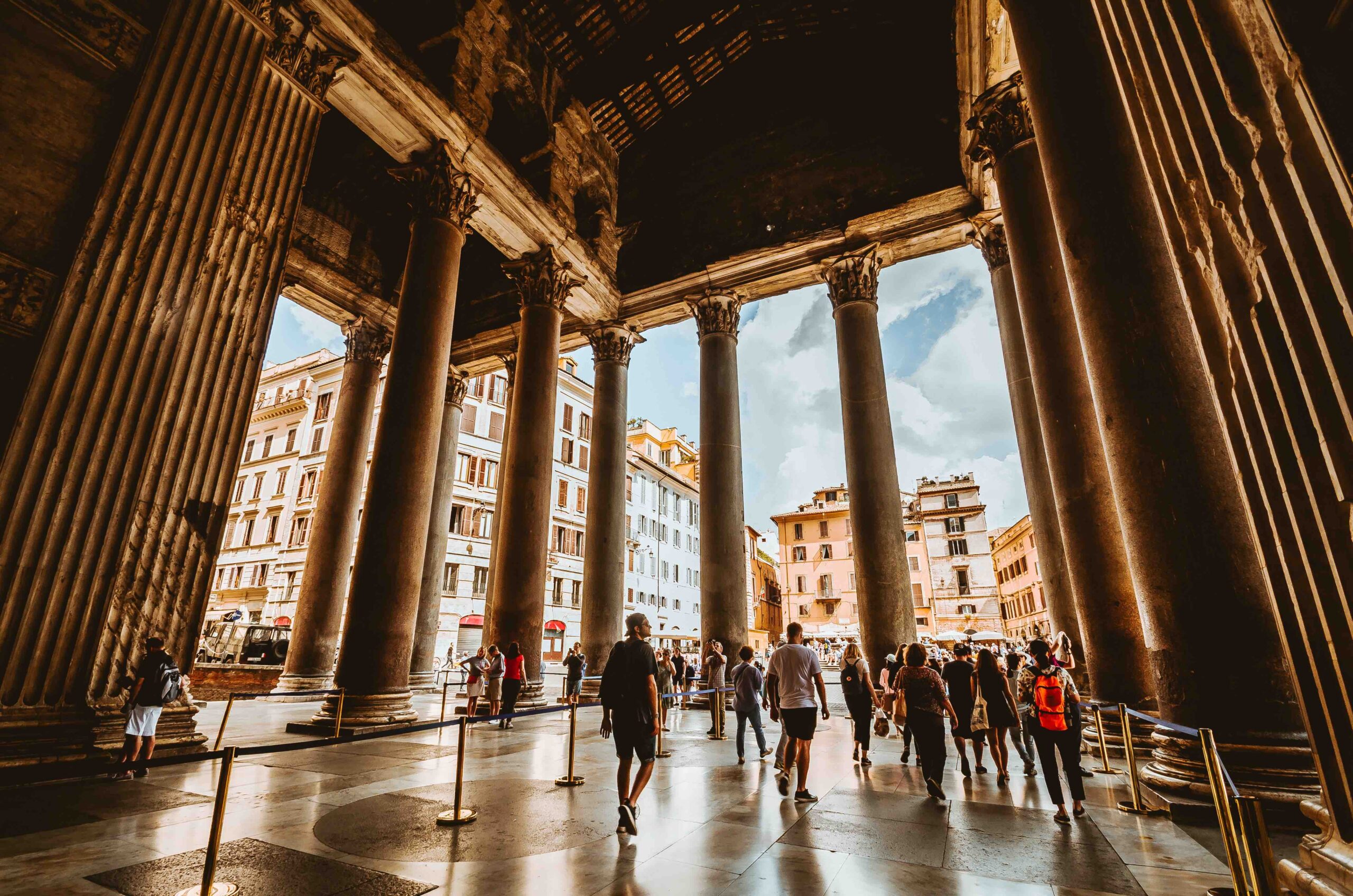
Rome is packed with iconic landmarks, but the Pantheon really stands out as one of the city’s coolest and most unique places. People from all over the world come to see it, and for good reason. If you’ve ever wondered what makes the Pantheon in Rome so famous, I’ve got you covered. From its wild history to the creative engineering tricks, epic architecture, and why it’s still getting attention after almost 2,000 years, there’s a lot to check out.
History of the Pantheon
When Was the Pantheon Built?
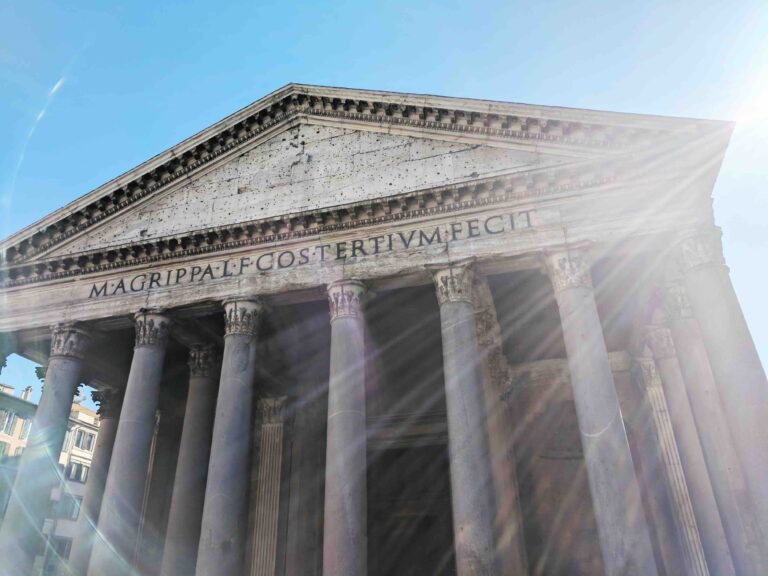
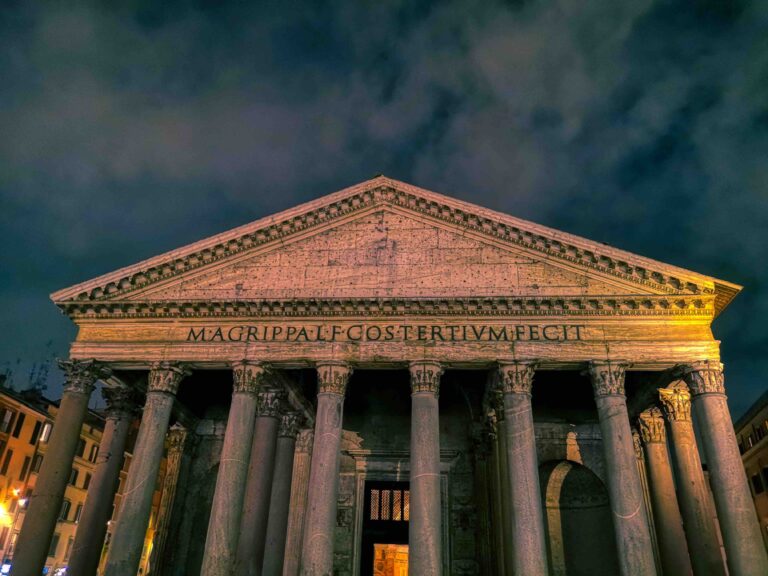
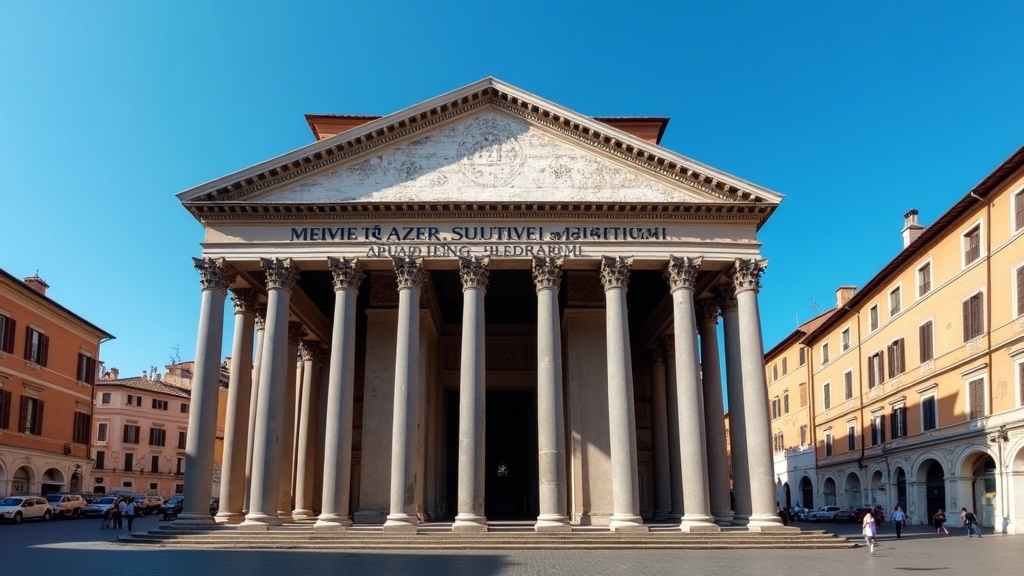
The current Pantheon was finished around 125 AD, during the reign of Emperor Hadrian. This wasn’t the first Pantheon on the spot; the original one was built by Marcus Agrippa in 27 BC, but it was destroyed by fire. You’ll still see Agrippa’s name marked on the front, even though most of what you see comes from Hadrian’s time.
What Was the Pantheon Used For?
The name “Pantheon” is Greek for “all gods,” so it’s pretty clear that the building was created as a Roman temple dedicated to all the gods of ancient Rome. Later, in the 7th century, it was turned into a Christian church, called the Basilica of St. Mary and the Martyrs. This switch from a temple to a church is a huge reason why it stayed in such great shape over all these years.
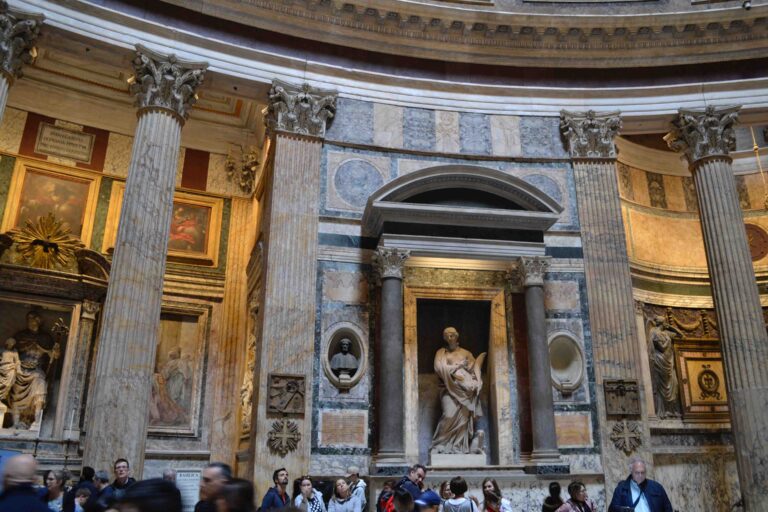
As a church, the Pantheon has hosted countless religious ceremonies and events, cementing its role as an active part of Roman culture. What’s fascinating is that it managed to blend pagan and Christian elements—so visiting today, you can pick up on traces of different periods of Roman religious life. This layered history sets the Pantheon apart from most other landmarks in the city.
Architectural Marvels
The Dome: A Feat of Roman Engineering
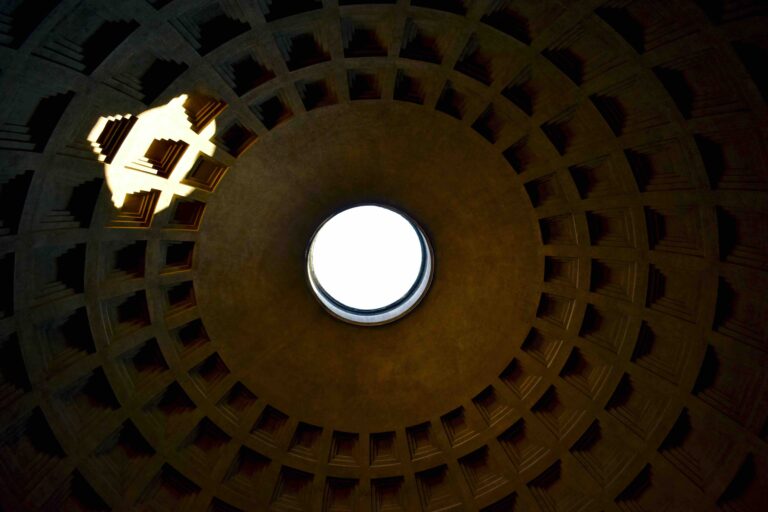
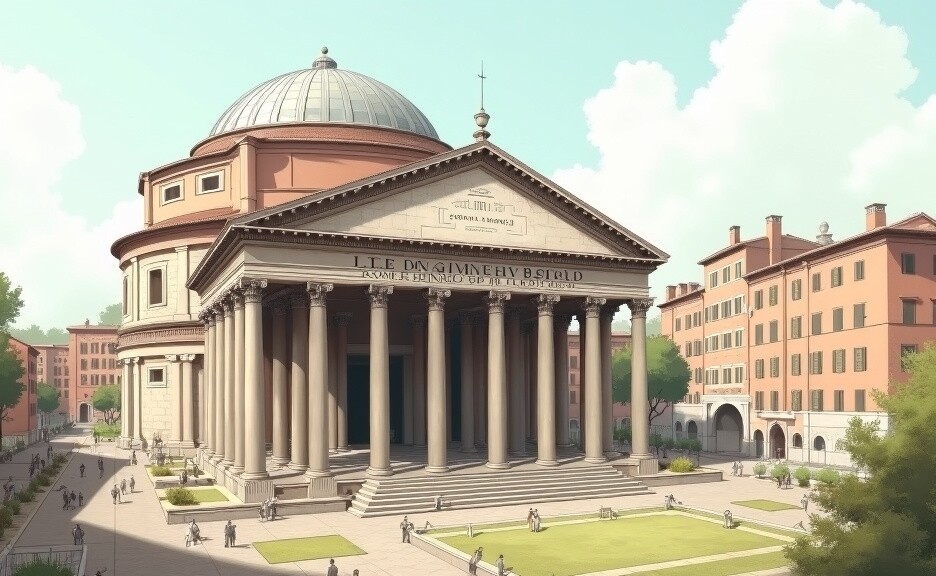
The Pantheon is best known for its massive dome. The dome remains the largest unreinforced concrete dome in the world, an achievement that’s almost 2,000 years old. With a diameter of 43.3 meters (around 142 feet), it’s just as tall as it is wide. That perfect balance between width and height isn’t just for looks; it was a ground-breaking display of Roman engineering skill, impressing architects and tourists alike even today.
The Oculus: Bringing Light Inside
At the top of the dome, you’ll notice a giant round opening called the oculus. This isn’t just an eye-catching feature—it’s also the only source of natural light for the whole building. As the sunlight streams in and shifts over the course of the day, it lights up the space in ever-changing patterns. When it rains, water pours through, but the floor cleverly handles it with built-in drainage channels. It’s a brilliant, simple way to let nature be part of the design.
The Portico and Columns
The Pantheon’s front porch, better known as the portico, is famously lined with massive Corinthian columns that were carved from solid Egyptian granite. Each column weighs about 60 tons and had to be shipped across the Mediterranean from Egypt to Rome—an unbelievable feat with the technology of the time. Even now, people stand in awe at the size and strength of the structure, a reminder of how far Roman builders could push the limits.
Famous Facts and Records
Oldest Intact Roman Building
The Pantheon is the oldest major building in Rome that’s still mostly unchanged. While many other ancient structures in the city are just scattered ruins, the Pantheon’s main design and details have stayed basically the same, letting you step right back into the ancient world. Its continued use and care mean there’s no other place in Rome where you can make such a close-up connection with the city’s past.
From Temple to Tomb
Throughout centuries, the Pantheon became a burial place for some of Italy’s most celebrated figures. The Renaissance artist Raphael, along with several Italian kings and famous architects, are laid to rest here. Their presence adds even more layers of cultural and historical meaning, making a visit to the Pantheon powerful for art lovers and those interested in Italy’s legacy.
Its reputation as a tomb and shrine makes it a heartfelt spot during national holidays or commemorative events. When exploring, take a moment to look for the simple inscriptions and thoughtful tributes inside the sanctuary. This blend of sacred energy and echoing history really makes the Pantheon stand out.
Visiting the Pantheon Today
Why Tourists Love It
The Pantheon is easy to find, sitting right in the historic heart of Rome. Whether you’re passionate about architecture, crazy for history, or just enjoy seeing something epic, the Pantheon should absolutely be on your itinerary. Entry is usually free (except for special occasions), and once you step inside, standing under that dome and gazing through the oculus is absolutely unforgettable. Thousands every week come to experience the Pantheon’s sense of awe and creativity.
Tips for Your Visit
- Check the official site for current opening hours—these can change for church services or events.
- Try to arrive early in the morning or later in the afternoon to beat the biggest crowds.
- Stick around the piazza outside for some excellent photos, especially at sunset when the light makes everything glow.
- Read up on the Pantheon’s history before you arrive. It’ll make spotting the smaller, quirky details way more fun.
Why the Pantheon Still Matters
The Pantheon isn’t just a stop for tourists. It’s a powerful showcase of what ancient Romans could build and dream up. Its design inspired countless European cathedrals and even modern government buildings. The reason people keep returning is because the Pantheon is a perfect blend of history, art, and jaw-dropping engineering you don’t see every day. Even after two thousand years, it still feels epic and meaningful, showing how clever design can truly last the ages.