Category: Visiting the Pantheon

  • Visiting the Pantheon in Rome: Insider Tips, History, and Must-See Highlight

    Visiting the Pantheon in Rome: Insider Tips, History, and Must-See Highlight

    There’s something magical about stepping into a place that has stood for nearly two thousand years. The moment you walk into the Pantheon in Rome, you feel it, not just the grandeur of its architecture, but the weight of history, the whispers of ancient voices, and the awe that has drawn millions through its doors.

    Whether you’re a history lover, an architecture enthusiast, or simply curious about Rome’s most iconic landmarks, visiting the Pantheon is an experience that stays with you. It’s not just another stop on a sightseeing tour. It’s a moment of connection, with the past, with beauty, and with the soul of the Eternal City.

    In this guide, we’ll walk you through everything you need to know before visiting the Pantheon in Rome. From its fascinating history to practical tips for your trip, we’ve got you covered. Whether you’re planning your first visit or returning for a deeper look, this article will help you make the most of your time at one of the world’s greatest architectural wonders.

    A Brief History of the Pantheon

    Before you stand beneath its massive dome, it helps to understand what makes the Pantheon so special. Originally built around 27 BC by Marcus Agrippa, the structure we see today was rebuilt by Emperor Hadrian in 125 AD after fire damaged the original. You’ll still see Agrippa’s name proudly inscribed on the front, a nod to its roots.

    The Pantheon was designed as a temple to all Roman gods, hence the name, which means “all gods” in Greek. But its story didn’t end with the fall of the Roman Empire. In the 7th century, it was converted into a Christian church, which helped preserve it through centuries of change and conflict. Today, it’s officially known as the Basilica of St. Mary and the Martyrs, though most people still call it simply “the Pantheon.”

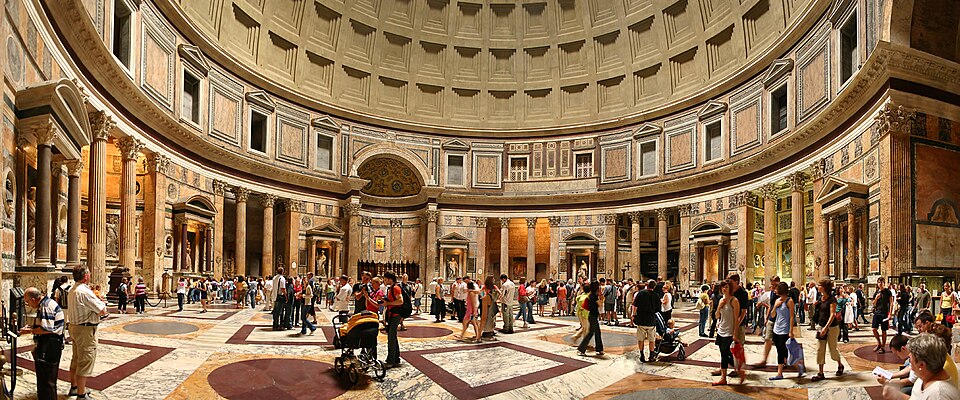
    What truly sets the Pantheon apart is its architecture. The dome, still the largest unreinforced concrete dome in the world, is a marvel of engineering. At its center is the oculus, a circular opening that lets sunlight stream in and rain fall through. This design wasn’t just practical; it was symbolic, connecting the heavens to the earth.

    Inside, you’ll find tombs of notable figures like the painter Raphael and Italian kings Victor Emmanuel II and Umberto I. The Pantheon is not just a monument, it’s a living piece of history, a place where ancient Rome meets modern Italy.

    Why Visit the Pantheon?

    You might be wondering, what makes the Pantheon so special compared to other ancient sites in Rome? The answer is simple: it’s one of the best-preserved monuments from ancient Rome, and it’s still in use today. That alone is remarkable.

    Visiting the Pantheon in Rome gives you a chance to see a structure that has survived wars, invasions, and centuries of change. It’s not just a relic, it’s a living building. You can walk through its massive bronze doors, stand beneath the world-famous dome, and feel the sunlight pour in through the oculus. It’s a moment that feels both timeless and deeply personal.

    The Pantheon is also home to the tombs of some of Italy’s most important figures, including the artist Raphael and two former kings. It’s a place where art, history, and spirituality meet. Whether you’re snapping photos, attending mass, or simply soaking in the atmosphere, the experience is unforgettable.

    And here’s a bonus: it’s centrally located, so it’s easy to include in any Rome itinerary. You’ll find it just a short walk from Piazza Navona, the Trevi Fountain, and other must-see spots.

    Best Time to Visit the Pantheon

    Rome is beautiful year-round, but timing your visit to the Pantheon can make a big difference. If you want to avoid crowds and enjoy a peaceful experience, early mornings are your best bet. The light streaming through the oculus around 9 to 10 AM creates a stunning effect that photographers and architecture lovers adore.

    Spring and fall are ideal seasons for visiting Rome. The weather is pleasant, and the city isn’t as packed with tourists as it is in summer. April, May, September, and October offer a great balance of sunshine and manageable crowds.

    If you’re visiting the Pantheon in Rome during summer, be prepared for heat and longer lines. It’s still worth it, but bring water, wear light clothing, and consider booking a skip-the-line tour to save time.

    Sundays and religious holidays can be busier, especially if you’re hoping to attend mass. On those days, the Pantheon functions more as a church than a tourist site, so access may be limited. If you’re interested in the spiritual side of the building, attending a service can be a meaningful experience, but check the schedule ahead of time.

    How to Get to the Pantheon

    Getting to the Pantheon in Rome is surprisingly easy, especially since it’s right in the heart of the city’s historic center. If you’re staying nearby, walking is the best option. You’ll enjoy charming cobblestone streets, lively piazzas, and maybe even stumble upon a gelato shop or two along the way.

    The Pantheon sits in Piazza della Rotonda, just a short stroll from other famous landmarks like Piazza Navona and the Trevi Fountain. If you’re coming from farther out, Rome’s public transportation system can get you there without much hassle.

    The closest metro stop is Barberini (Line A), and from there it’s about a 10-minute walk. Several bus lines also stop nearby, including routes 30, 40, 62, and 64. If you’re using a taxi or ride-share, just ask for “Pantheon” and they’ll know exactly where to take you.

    For those who love exploring on foot, consider joining a walking tour that includes the Pantheon. It’s a great way to learn about the surrounding area and get context before stepping inside.

    Pantheon Tickets and Entry Info

    For many years, visiting the Pantheon in Rome was free. But as of mid-2023, the Italian government introduced a small entrance fee to help preserve the site. Don’t worry, it’s still very affordable, and the experience is worth every cent.

    General admission tickets cost around €5 for adults, with reduced prices for EU citizens under 25 and free entry for children under 18. If you’re planning to visit multiple sites in Rome, look into combo passes that include the Pantheon along with places like Castel Sant’Angelo or the Colosseum.

    You can buy tickets online through the official website or from authorized tour providers. Booking in advance is a smart move, especially during peak travel seasons. It helps you skip the line and guarantees your spot.

    If you prefer a deeper experience, guided tours are available and often include skip-the-line access. These tours usually last about an hour and offer fascinating insights into the building’s history, architecture, and hidden details you might miss on your own.

    Keep in mind that the Pantheon is still an active church. On Sundays and during religious services, entry may be restricted or free for worshippers. If you’re hoping to attend mass, check the schedule ahead of time and arrive early.

    Guided Tours: Are They Worth It?

    If you’re the kind of traveler who loves stories behind the stones, a guided tour of the Pantheon is absolutely worth it. While the building itself is impressive, having someone walk you through its history, symbolism, and hidden details brings the experience to life in a whole new way.

    Most guided tours of the Pantheon last about an hour and include fascinating insights you won’t find on the signs. You’ll learn how the dome was built without modern tools, why the oculus was left open, and how the building’s design reflects ancient Roman beliefs. Some guides even point out architectural quirks and lesser-known facts that make you see the monument with fresh eyes.

    There are several types of tours to choose from. Private tours offer a more personalized experience, while group tours are budget-friendly and still informative. Audio guides are also available if you prefer to explore at your own pace but still want some context.

    Many tour companies offer combo packages that include the Pantheon along with other nearby sites like Piazza Navona or the Church of San Luigi dei Francesi. These can be a great way to maximize your time and deepen your understanding of Rome’s rich history.

    Whether you’re a first-time visitor or returning for a deeper dive, a guided tour adds value and meaning to your visit. It turns a beautiful building into a story you’ll remember long after you’ve left.

    What to See Inside the Pantheon

    Once you step through the massive bronze doors, the real magic begins. The interior of the Pantheon is breathtaking, and there’s plenty to take in, even if you’re just popping in for a quick look.

    The first thing you’ll notice is the dome. It’s massive, perfectly symmetrical, and still holds the record as the largest unreinforced concrete dome in the world. The oculus at the center lets in natural light, creating a dramatic spotlight effect that shifts throughout the day. On rainy days, you might even see drops falling through, it’s all part of the design.

    Look down and you’ll see the patterned marble floor, which has been carefully restored to reflect its original layout. The geometric shapes and rich colors add to the sense of harmony and balance that defines the space.

    Around the circular walls are several chapels and altars, each with its own story. One of the most visited spots is the tomb of Raphael, the Renaissance painter whose work helped shape Western art. His resting place is marked by a simple inscription and a statue of the Madonna.

    You’ll also find the tombs of Italian kings Victor Emmanuel II and Umberto I, adding a layer of national pride to the building’s legacy. These monuments are beautifully crafted and often adorned with flowers from visitors.

    Don’t forget to look up, down, and all around. The Pantheon is full of details, from Latin inscriptions to hidden symbols, that reflect its long and layered history. Take your time, soak it in, and let yourself be transported.

    Tips for a Smooth Visit

    Visiting the Pantheon in Rome is pretty straightforward, but a few smart tips can make your experience even better. First, arrive early. The crowds tend to build up by late morning, especially during peak travel seasons. If you want to enjoy the space quietly and take great photos, aim to get there right after it opens.

    Dress comfortably but respectfully. Since the Pantheon is still a functioning church, modest clothing is recommended, especially if you plan to attend mass. Light layers are perfect for Rome’s changing weather, and good walking shoes are a must.

    Photography is allowed, but flash and tripods are not. Be mindful of other visitors and avoid blocking pathways while snapping pictures. If you’re using a phone, take a moment to look up from the screen and really absorb the beauty around you.

    Accessibility is fairly good. The entrance is flat, and there’s space to move around inside, though some areas may be a bit tight during busy hours. If you have mobility concerns, check ahead for updated access info or consider joining a guided tour that accommodates special needs.

    There are no restrooms inside the Pantheon, but you’ll find public facilities nearby in Piazza della Rotonda. It’s also a great spot to grab a coffee or gelato after your visit. Just be aware that prices can be higher in tourist-heavy areas, so check menus before ordering.

    Nearby Attractions and Itinerary Ideas

    One of the best things about visiting the Pantheon in Rome is how close it is to other incredible sights. You can easily build a half-day or full-day itinerary around it without feeling rushed.

    Start with a stroll to Piazza Navona, just five minutes away. This lively square is known for its fountains, street artists, and vibrant atmosphere. From there, head to Campo de’ Fiori for a taste of local life, especially if you’re visiting in the morning when the market is in full swing.

    Don’t miss the Church of San Luigi dei Francesi, home to stunning Caravaggio paintings that are free to view. It’s a quiet gem just around the corner from the Pantheon and well worth a stop.

    If you’re up for more walking, the Trevi Fountain is about 10 minutes away. Toss a coin in and make a wish, it’s a classic Rome tradition. You can also continue on to the Spanish Steps or even the Roman Forum if you’re feeling ambitious.

    For a relaxing break, grab a seat at one of the cafés in Piazza della Rotonda and enjoy the view of the Pantheon’s majestic façade. It’s a great spot to reflect on your visit and soak in the energy of the city.

    FAQs About Visiting the Pantheon in Rome

    Is the Pantheon free to enter?
    Not anymore. As of 2023, there’s a small entrance fee for general visitors. However, entry remains free during religious services and for certain age groups and EU citizens under 18 or over 65.

    Can I attend mass at the Pantheon?
    Yes. The Pantheon is still an active church, and mass is held regularly. If you’re interested in attending, check the schedule ahead of time and arrive early to find a seat.

    Is the Pantheon wheelchair accessible?
    Mostly, yes. The entrance is flat and the interior is spacious, though it can get crowded. If you have specific accessibility needs, it’s best to contact the site or join a guided tour that accommodates mobility concerns.

    Are there restrooms inside?
    No, but public restrooms are available nearby in Piazza della Rotonda. Many cafés in the area also offer facilities for customers.

    How long should I spend at the Pantheon?
    Most visitors spend about 30 to 60 minutes inside. If you’re taking a guided tour or want to explore nearby attractions, plan for at least two hours.

    Can I take photos inside?
    Yes, photography is allowed, but flash and tripods are not. Be respectful of others and avoid taking pictures during mass or religious services.

    Final Thought: Let the Pantheon Leave Its Mark

    Visiting the Pantheon in Rome isn’t just about checking off a famous landmark. It’s about standing in a space where history, art, and architecture come together in perfect harmony. It’s about feeling the quiet power of a building that has watched over Rome for nearly two thousand years.

    Whether you’re gazing up at the dome, tracing the marble floors with your steps, or simply sitting in the piazza with a coffee in hand, the Pantheon has a way of leaving its mark. It reminds us that beauty can endure, that stories live on, and that travel is more than movement, it’s connection.

    So when you plan your trip to Rome, make time for the Pantheon. Let it surprise you, inspire you, and welcome you into its timeless embrace.
  • Pantheon Dress Code: What to Wear for a Respectful and Stylish Visit to Rome’s Iconic Landmark

    Pantheon Dress Code: What to Wear for a Respectful and Stylish Visit to Rome’s Iconic Landmark

    There’s something magical about stepping into the Pantheon in Rome. The moment you pass through its towering columns and gaze up at the open oculus, you feel the weight of centuries pressing gently on your shoulders. It’s not just a tourist attraction, it’s a living monument, a sacred space, and a masterpiece of ancient architecture.

    But before you get swept up in the awe, there’s one important detail to consider: what you wear.

    Yes, the Pantheon has a dress code. And while it may not be as strict as the Vatican’s, it still matters. Whether you’re planning a guided tour or just popping in during a stroll through Piazza della Rotonda, dressing appropriately shows respect, not just for the site, but for the culture and history it represents.

    In this guide, we’ll walk you through everything you need to know about the Pantheon dress code. From seasonal tips to what happens if you show up in shorts, we’ve got you covered. We’ll also share packing advice, outfit ideas, and answers to common questions so you can enjoy your visit without stress or surprises.

    Let’s start with why this dress code exists in the first place.

    Why the Pantheon Has a Dress Code

    The Pantheon isn’t just a marvel of Roman engineering, it’s also a functioning church. Officially known as the Basilica of St. Mary and the Martyrs, it’s been a Catholic place of worship since the 7th century. That means it’s not just a historical site; it’s sacred ground.

    Like many religious buildings in Italy, the Pantheon asks visitors to dress modestly. This isn’t about fashion, it’s about respect. When you walk into the Pantheon, you’re entering a space where people pray, reflect, and celebrate mass. Even if you’re not religious, honoring that tradition is part of being a thoughtful traveler.

    The dress code is also a reflection of Italian culture. Italians take pride in their heritage, and they expect visitors to do the same. Showing up in beachwear or revealing clothes can come across as careless, even rude. It’s not about being judged, it’s about showing that you care.

    And while enforcement may vary depending on the time of day or the staff on duty, it’s always best to err on the side of caution. After all, being turned away at the door isn’t how anyone wants to start their Roman adventure.

    What to Wear to the Pantheon: Dress Code Guidelines

    When it comes to visiting the Pantheon, the dress code is simple but important. You don’t need to wear formal clothes, but you do need to dress modestly. Think respectful, not restrictive.

    Here’s a quick breakdown of what’s generally allowed, and what’s best to avoid.

    ✅ What’s Okay to Wear

    • Tops that cover your shoulders: T-shirts, blouses, or anything with sleeves
    • Pants, jeans, or skirts that reach at least the knee
    • Dresses that aren’t too tight or revealing
    • Comfortable shoes, sneakers, flats, or sandals with straps

    ❌ What to Skip

    • Sleeveless tops, tank tops, or crop tops
    • Short shorts or mini skirts
    • See-through fabrics or plunging necklines
    • Beachwear or workout clothes

    The goal is to look neat and respectful. You’re entering a sacred space, not just snapping photos for Instagram. If you’re unsure, bring a light scarf or shawl, it’s a lifesaver for covering up on the go.

    Also, keep in mind that while the Pantheon staff may not always enforce the dress code strictly, it’s better to be safe than sorry. You don’t want to miss out on the experience because of a wardrobe choice.

    Dressing for the Seasons: Stay Comfortable and Respectful

    Rome’s weather can be unpredictable, especially if you’re visiting during the shoulder seasons. But with a little planning, you can dress comfortably while still following the Pantheon’s guidelines.

    🌞 Summer Style

    Summer in Rome can be hot, really hot. But that doesn’t mean you should show up in a tank top and shorts. Instead, go for breathable fabrics like cotton or linen. Loose-fitting maxi dresses, lightweight trousers, and short-sleeved shirts are perfect. A wide-brimmed hat and sunglasses will keep you cool outside, and a scarf can help you cover your shoulders when you step inside.

    🍂 Fall and Winter Layers

    In cooler months, layering is your best friend. You’ll want a jacket or coat for walking around, but inside the Pantheon, it’s usually mild. Long-sleeved tops, sweaters, and jeans work well. If you’re wearing a skirt or dress, pair it with tights or leggings. And don’t forget a scarf, not just for warmth, but also for modesty.

    👟 Footwear Tips

    The Pantheon’s floors are ancient and uneven in places, so wear shoes that are comfortable for walking. Stylish sneakers, loafers, or flat boots are ideal. Avoid flip-flops or heels that might trip you up.

    Whether it’s sunny or chilly, the key is to blend comfort with respect. You’ll feel better, look appropriate, and enjoy your visit without distractions.

    Dress Code Tips for Every Type of Visitor

    Whether you’re traveling solo, with family, or as part of a guided tour, dressing for the Pantheon doesn’t have to be complicated. Here’s how different visitors can stay comfortable and respectful while still feeling like themselves.

    👨 For Men

    Men have it pretty easy when it comes to dressing modestly in Rome. A simple short-sleeved shirt or polo paired with lightweight trousers or knee-length shorts works well. Avoid sleeveless tops or gym wear. If you’re visiting in cooler months, a sweater or jacket adds polish without overdoing it. Closed-toe shoes or clean sneakers are ideal.

    👩 For Women

    Women have lots of stylish options that meet the dress code. Maxi dresses, midi skirts, and wide-leg pants are all great choices. Pair them with a blouse or a short-sleeved top that covers the shoulders. If you’re wearing a sleeveless dress, bring a scarf or cardigan to throw on before entering. Comfortable flats or sandals with straps are perfect for walking on cobblestones.

    🧒 For Kids

    Children aren’t held to the same strict standards, but it’s still good practice to dress them modestly. T-shirts, shorts that reach the knee, and sneakers are fine. If your child is wearing a tank top, toss a light jacket or hoodie in your bag just in case.

    👥 For Tour Groups

    If you’re part of a Rome tour that includes the Pantheon, your guide may remind you about the dress code ahead of time. Still, it’s smart to plan your outfit before the day begins. You’ll likely be visiting other churches or sacred sites, so dressing appropriately from the start saves time and hassle.

    No matter who you are, the key is to blend comfort with courtesy. You’ll feel more confident, and you’ll avoid any awkward moments at the entrance.

    6. What Happens If You Don’t Follow the Dress Code

    So what if you show up in a tank top or short shorts? Will someone stop you at the door?

    The truth is, enforcement at the Pantheon can vary. Sometimes staff may let things slide, especially during busy tourist hours. But other times, especially during religious services or special events, they may ask you to cover up, or even deny entry.

    Here’s what could happen:

    • You might be asked to wear a scarf or shawl to cover your shoulders
    • You could be turned away and asked to return later with proper attire
    • You may feel out of place or uncomfortable inside the church

    Luckily, there are easy fixes. Many shops around the Pantheon sell scarves, wraps, and lightweight cover-ups. Some tour guides even carry extras for guests who need them. But it’s always better to come prepared.

    If you’re unsure about your outfit, do a quick mirror check before you leave your hotel. Ask yourself: Would I wear this to a church service? If the answer is no, it’s probably worth changing.

    Smart Packing Tips for the Pantheon and Other Sacred Sites

    Packing for Rome isn’t just about looking good in travel photos, it’s about being prepared for the places you’ll visit, especially sacred ones like the Pantheon. If you’re planning to explore other churches or religious landmarks, a little wardrobe planning goes a long way.

    Here are some smart packing tips to help you stay respectful and ready:

    🎒 Essentials to Bring

    • A lightweight scarf or shawl: perfect for covering shoulders or adding a layer of modesty
    • A pair of comfortable walking shoes: cobblestones and long lines are no joke
    • Breathable layers: especially helpful in summer when you want to stay cool but covered
    • A crossbody bag or small backpack: keeps your hands free and your valuables safe

    👗 Multi-Purpose Clothing

    Choose pieces that can transition from sightseeing to dinner. A midi dress with sleeves, linen pants, or a button-down shirt can work for both the Pantheon and a casual evening out. Neutral colors and simple patterns tend to blend in well and photograph beautifully.

    🧳 Think Ahead

    If you’re visiting multiple churches or religious sites in one day, dress for the strictest location. The Vatican, for example, has a more rigid dress code than the Pantheon. Planning ahead means you won’t have to change outfits or buy emergency cover-ups.

    Packing with the Pantheon dress code in mind doesn’t mean sacrificing style, it just means being thoughtful. You’ll feel more confident, and you’ll avoid any last-minute stress.

    Frequently Asked Questions About the Pantheon Dress Code

    Even seasoned travelers have questions when it comes to dress codes in Rome. Here are some of the most common ones people ask before visiting the Pantheon.

    ❓ Is the dress code strictly enforced?

    Not always, but it depends on the day and the staff. During religious services or special events, enforcement is more likely. It’s best to dress appropriately just in case.

    ❓ Can I wear sandals?

    Yes, as long as they’re not flip-flops or beach-style slides. Sandals with straps are fine and often ideal for walking around Rome.

    ❓ Are hats allowed inside?

    You can wear a hat outside, but it’s respectful to remove it when entering the Pantheon, especially during mass or quiet hours.

    ❓ What if I forget to dress modestly?

    Don’t panic. Many nearby shops sell scarves and wraps, and some tour guides carry extras. But you may be asked to cover up or wait outside if your outfit is too revealing.

    ❓ Do kids need to follow the dress code?

    Children aren’t held to the same standards, but it’s still good practice to dress them modestly. It sets a respectful tone for the whole family.

    ❓ Is the dress code the same for men and women?

    The basic rules, cover shoulders, avoid short shorts, apply to everyone. Women may have more options with layering, but the expectations are similar.

    These questions come up often, and it’s always better to be prepared. Following the Pantheon dress code helps you blend in, show respect, and enjoy your visit without any hiccups.

    Bonus Tips for Visiting the Pantheon

    Now that you know how to dress, let’s make sure your visit to the Pantheon is smooth from start to finish. Here are a few extra tips to help you get the most out of your experience.

    🕰️ Check the Opening Hours

    The Pantheon is open almost every day, but hours can vary depending on holidays or religious events. It’s best to check the official website or ask your tour guide ahead of time. Arriving early helps you beat the crowds and enjoy the space in peace.

    🎟️ Book Tickets in Advance

    While entry used to be free, there’s now a small fee to visit the Pantheon. Booking online saves time and guarantees your spot, especially during peak season. Some guided tours include skip-the-line access and deeper historical insights.

    📍 Explore the Piazza della Rotonda

    Before or after your visit, take time to enjoy the lively square outside. Grab a gelato, sip an espresso, or admire the fountain in the center. It’s a great place to relax and soak in the atmosphere.

    🏛️ Pair It with Nearby Attractions

    The Pantheon is close to other must-see spots like Piazza Navona, Campo de’ Fiori, and the Trevi Fountain. Plan your route so you can explore more of Rome’s charm without doubling back.

    📸 Be Respectful with Photos

    Photography is allowed, but flash isn’t. And while it’s tempting to snap selfies, remember that the Pantheon is a place of worship. Be mindful of others who may be praying or reflecting.

    These little details can make a big difference. When you combine thoughtful planning with respectful attire, your visit becomes more than just sightseeing, it becomes a meaningful experience.

    Final Thought: A Moment Worth Dressing For

    Visiting the Pantheon isn’t just about checking off a landmark, it’s about stepping into a space where history, art, and faith come together. It’s a place that has stood for nearly two thousand years, welcoming emperors, artists, popes, and now, you.

    Dressing appropriately isn’t a burden, it’s a gesture of respect. It shows that you understand the significance of where you are and that you’re willing to honor it. And in return, the Pantheon offers you something unforgettable: a moment of quiet awe beneath the world’s largest unreinforced dome, a glimpse into the soul of Rome.

    So pack smart, dress with care, and walk through those ancient doors with confidence. The Pantheon is waiting, and you’re ready.

  • How much does it cost to visit the Pantheon in Rome?

    How much does it cost to visit the Pantheon in Rome?

    The Pantheon, a magnificent ancient temple turned church, stands as an architectural marvel in the heart of Rome. With its iconic dome and rich historical significance, it entices countless visitors each year. If you’re planning a trip to Rome and have the Pantheon on your must-visit list, it’s essential to understand the costs involved to make your travel budget well-prepared. In this blog post, we’ll delve into the details of how much it costs to visit the Pantheon in Rome, including entrance fees, additional expenses, and potential money-saving tips.

    Admission Fees

    As of July 3rd, 2023 visiting the Pantheon carries an admission fee of €5. Unlike many other attractions in Rome, exploring the interior of the Pantheon is a fairly quick process but full of wonders. The very reasonable ticket cost makes it an excellent choice for budget-conscious travelers who want to experience the grandeur of ancient Rome without breaking the bank. Visit here for full information on Pantheon Tickets.

    Guided Tours

    While entry to the Pantheon is priced at €5, you may choose to enhance your visit with a guided tour. Numerous tour operators offer guided experiences, providing valuable insights into the history, architecture, and cultural significance of this iconic monument. Prices for guided tours can vary, typically ranging from €20 to €30 per person. This additional cost can be worthwhile for those seeking a deeper understanding of the Pantheon’s historical context.

    Audio Guides

    If you prefer to explore the Pantheon at your own pace while still enjoying informative commentary, audio guides are an excellent option. These handheld devices provide narrated explanations of the temple’s history and architecture. Audio guides are available for rent near the entrance of the Pantheon and generally cost around €10 per person.

    Transportation Costs

    Considering the Pantheon’s central location in Rome, it is often easily accessible on foot or via public transportation. If you are staying in the city center, you can reach the Pantheon by walking or using the metro or bus services. Public transportation fares in Rome are reasonably priced, typically costing around €1.50 per ticket. However, if you choose to take a taxi or rideshare service, fares may vary depending on your starting point and traffic conditions.

    Additional Expenses

    While entry to the Pantheon is free, it’s essential to consider potential additional expenses. These can include:

    • Snacks and beverages: If you plan to spend a significant amount of time exploring the Pantheon and its surroundings, you might want to enjoy a refreshment break at one of the nearby cafes. Budget around €5 to €10 for a drink or a light snack.
    • Souvenirs: If you want to commemorate your visit to the Pantheon, there are several souvenir shops nearby. Prices for Pantheon-themed merchandise such as postcards, magnets, or replicas can vary, so allocate a small budget if you wish to purchase keepsakes.

    Money-Saving Tips

    To help make your visit to the Pantheon more cost-effective, consider the following tips:

    • Visit during weekdays: Weekends tend to be busier, which may make it more challenging to fully appreciate the Pantheon’s serene ambiance. Planning your visit on a weekday can provide a more tranquil experience.
    • Combine with other attractions: Since the Pantheon is centrally located, you can easily include it as part of a larger itinerary. Combining your visit with nearby attractions can help maximize your time and minimize transportation costs.
    • Use free resources: If you prefer not to spend on guided tours or audio guides, there are numerous online resources and travel apps that provide detailed information about the Pantheon. These can serve as a cost-effective alternative for learning about its history and significance.

    Final Thought

    Visiting the Pantheon in Rome offers a remarkable journey into the past, and the best part is that admission to this awe-inspiring monument is very reasonably priced. While there are optional costs such as guided tours, audio guides, and additional expenses, it’s entirely possible to have an enriching experience on a budget. By planning wisely and considering money-saving tips, you can enjoy the majesty of the Pantheon without straining your travel budget. So, embrace the opportunity to immerse yourself in ancient history and witness the magnificence of this architectural gem in Rome.

  • How to buy Pantheon Tickets

    How to buy Pantheon Tickets

    Pantheon Ticket Price 2023

    The Pantheon costs €5.00 to enter as of July 2023, read more on Pantheon Roma. Purchasing tickets in advance is highly recommended as the line can be extremely long and is located without shade or cover.

    The Pantheon will remain free for Residents of Rome and also will be offered free on the first Sunday of the month along with other key museums.

    Where to buy Pantheon Tickets

    Tickets can be purchased from the official website for the Pantheon here.

    If you are unable to purchase tickets you can also try with our ticket partner supplier on this website.

    Pantheon Opening times


    The Pantheon is open daily from 9.00 am to 7.00 pm with the last admission being 6:45 PM.
    The Pantheon is closed on: the 1st of January, 15 August, and the 25th of December.

    How to See the Pantheon

    You are able to visit the Pantheon on your own with the €5.00 ticket. You can also purchase an audio guide (€10.00) or see the Pantheon with a live tour guide (€25.00). To view the Pantheon from the outside is free and easy.

    The Pantheon Dress Code

    Appropriate attire is required at the Pantheon, as it is a place of worship. Please refrain from wearing shorts or short skirts, and ensure that your shoulders and back are covered. It’s important to note that this is not a skip-the-line ticket. We strongly recommend arriving well in advance of your booking time, as there may be a long line outside the monument. It is advisable to arrive at least one hour earlier to allow for any potential wait.

    Conclusion

    The Vatican now charges to enter, prices range from €5-25 depending on the type of visit you would like. You can visit daily between 9-7PM with the last entrance being 6:45.

  • Where is the Pantheon

    Where is the Pantheon

    The Pantheon, one of Rome’s most iconic architectural wonders, is nestled in the heart of the Eternal City. This ancient temple, renowned for its magnificent dome and historical significance, is situated in the bustling district known as the Campus Martius. Let us explore the precise location of the Pantheon and the vibrant surroundings that make it a must-visit destination for travelers from around the world.

    The Pantheon’s Address

    To locate the Pantheon, you need to head to Piazza della Rotonda, a vibrant square in the historic center of Rome. The official address of the Pantheon is Piazza della Rotonda, 00186 Rome, Italy. The square is named after the Pantheon’s distinctive rotunda shape, which dominates the area with its imposing presence.

    Pantheon Map Location
    Roman Pantheon location on Google Maps

    Finding Your Way

    The Pantheon’s central location makes it easily accessible on foot or by public transportation. Rome’s well-connected metro system allows you to reach the Pantheon conveniently. The nearest metro station to the Pantheon is “Barberini – Fontana di Trevi,” which is served by Line A (Red Line). From there, it’s a leisurely stroll of about 15 minutes through the charming streets of Rome to reach the Pantheon.

    If you prefer to explore Rome’s streets on foot, the Pantheon is within walking distance of many popular landmarks. The renowned Trevi Fountain, with its breathtaking beauty, is just a short walk away. You can also easily reach the Spanish Steps, Piazza Navona, and the Roman Forum, immersing yourself in the rich history and culture of Rome.

    The Surroundings

    Upon arriving at the Pantheon, you’ll be captivated by the vibrant energy of the Piazza della Rotonda. The square buzzes with activity, as tourists and locals alike gather to admire the Pantheon’s grandeur. Piazza della Rotonda is lined with cafes, restaurants, and shops, offering a delightful blend of history and modernity.

    Exploring the area around the Pantheon allows you to experience the essence of Rome. Indulge in a cup of authentic Italian espresso at a nearby café, savor traditional Roman cuisine at a trattoria, or simply immerse yourself in the lively atmosphere of the square.

    Tips for Visiting the Pantheon:

    o make the most of your visit to the Pantheon, it’s advisable to plan your trip strategically. The Pantheon attracts a large number of tourists, particularly during peak hours. To avoid the crowds, consider visiting early in the morning or later in the afternoon.

    Once inside the Pantheon, take your time to soak in the majestic interior. Observe the interplay of light and shadow through the oculus and admire the intricate details of the architecture. Don’t forget to explore the tombs of notable figures, such as Raphael, located within the Pantheon.

    Remember to be respectful of the Pantheon’s status as a functioning church. Silence is encouraged inside, and appropriate attire is expected.

    Conclusion

    The Pantheon is situated in the heart of Rome, specifically at Piazza della Rotonda. This magnificent ancient temple is surrounded by a vibrant district that offers a plethora of attractions, from the famous Trevi Fountain to the historic Spanish Steps. Navigating your way to the Pantheon is convenient, whether you choose to explore on foot or by utilizing Rome’s efficient metro system. Immerse yourself in the beauty and history of the Pantheon and its surroundings, and experience the magic of ancient Rome come to life.