The Roman Pantheon: Common Questions Answered
The Roman Pantheon stands out as one of the most well-preserved and iconic buildings from ancient Rome. If you have questions about what it was used for, you’re not alone. Here, I’ll answer the most popular questions about the Pantheon’s past roles and functions. If you want to know more or have another question, check out major museum websites or send me your question directly. The Pantheon continues to fascinate both history buffs and curious travelers, pulling people in with its beautiful architecture and legendary past.
What Was The Roman Pantheon Used For?
General Information About the Pantheon
What is the Roman Pantheon?
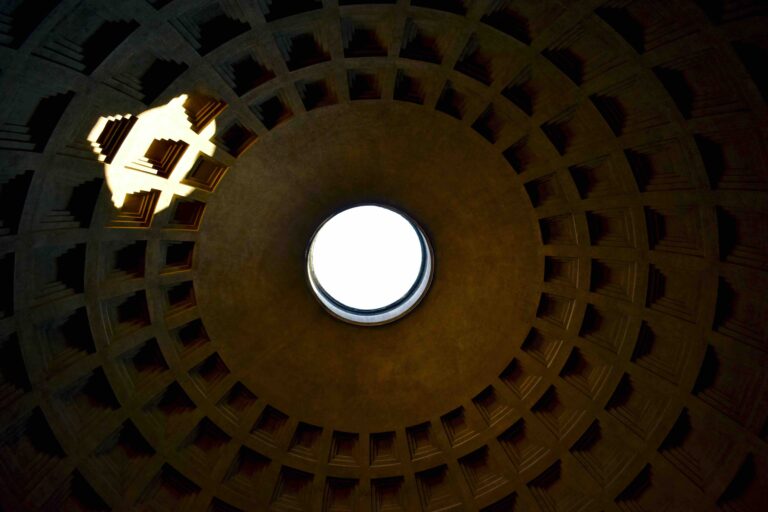
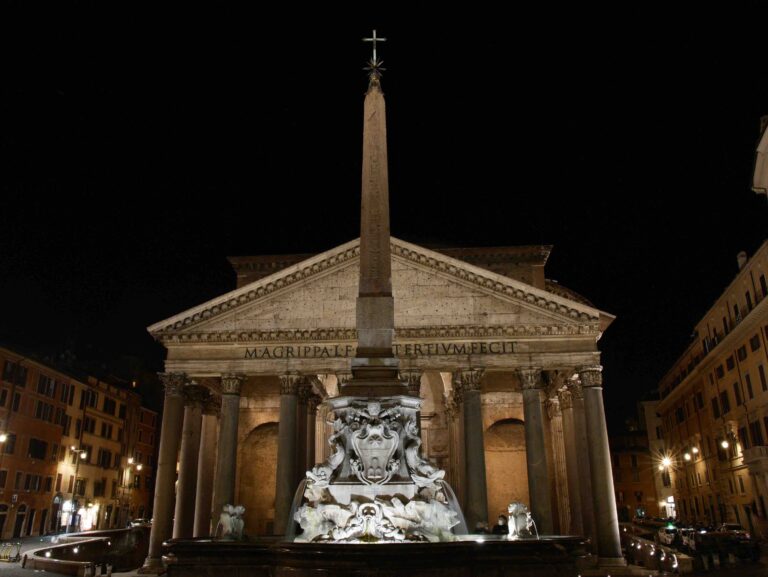
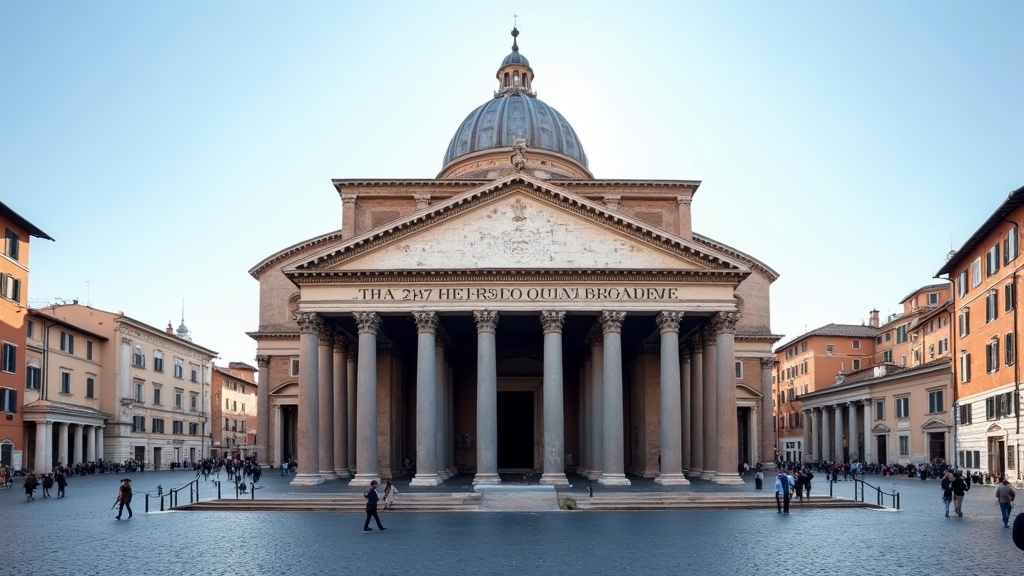
The Roman Pantheon is a huge temple in Rome. It was first built around 27-25 BCE during the time of Marcus Agrippa and then rebuilt by Emperor Hadrian around 126 CE. The building is most famous for its massive concrete dome, open oculus at the top, and detailed columns at the entrance. Unlike most ruins from ancient Rome, the Pantheon’s structure has lasted for nearly 2,000 years. Today, it is recognized both for its architecture and its rich, enduring history. As you stand beneath its giant dome, you really get a feel for the genius behind its construction.
Why was it called “Pantheon”?
The word “Pantheon” comes from Ancient Greek and means “all gods.” The building’s name suggests it was intended as a place for worshipping all the gods of Ancient Rome, not just one single deity. This idea was pretty rare at the time, because most temples were put up to honor just one god or goddess.
Who built the Pantheon?
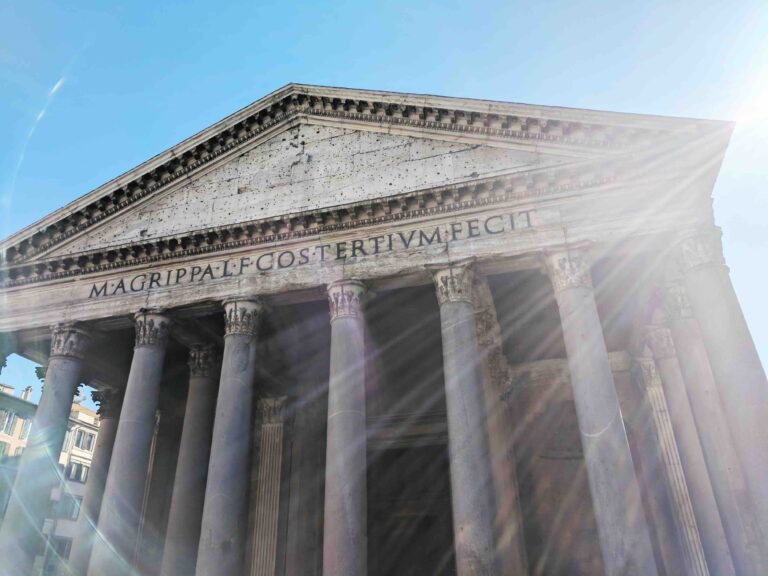
The first version of the Pantheon was commissioned by Marcus Agrippa, a loyal friend and general of Emperor Augustus. The version most people see today was rebuilt by Emperor Hadrian after fire damaged the original. When I visited the front of the Pantheon, I noticed the large inscription still credits Agrippa, even though Hadrian was responsible for its final form. Over time, the Pantheon became a symbol of architectural achievement, inspiring many other domed buildings around the world.
Original Purpose and Use
What was the Pantheon originally used for?
Most experts agree that the Pantheon was built to serve as a temple for the major gods of Roman religion. Large ceremonies honored deities like Jupiter, Mars, Venus, and others. Priests known as the “pontifices” probably oversaw rituals inside the building. Although direct evidence of exactly which gods were worshipped is limited, the building’s name and interior layout make it clear it was a general house of worship for all important deities of the era.
Was the Pantheon ever used for special events?
Special events and major state occasions likely took place inside. Many historians think the Pantheon also played a part in displays of imperial power and religious festivals. The size and grandeur of the building made it a perfect spot for gatherings marking important moments in Roman public and religious life. Aside from religious ceremonies, the temple often served as a backdrop for welcoming visiting dignitaries and other significant public activities.
Changes Over Time
Did the Pantheon always serve as a temple?
No. While its original use was as a temple, the Pantheon’s function switched up over time, especially when Rome adopted Christianity. In the year 609 CE, it was consecrated as a Christian church by Pope Boniface IV, and it was named “Sancta Maria ad Martyres” or “St. Mary and the Martyrs.” Since then, the Pantheon has continued to act as a church, with regular masses and special religious events. This change in use is a major reason why the building survived when many other pagan temples in Rome did not. Becoming a Christian church protected it from destruction during times of religious change.
How else has the Pantheon been used through history?
Besides religious rituals, the Pantheon serves as a tomb for important Italian figures. I was surprised to stumble upon the fact that the famous painter Raphael and several Italian kings are buried there. Over the centuries, its unique features and history have attracted visitors from around the globe; it is now a super important site for people interested in classical architecture, art, and Italian culture. Even today, its influence can be spotted in countless other buildings across Europe and beyond.
Design and Symbolism
How did the Pantheon’s design relate to its purpose?
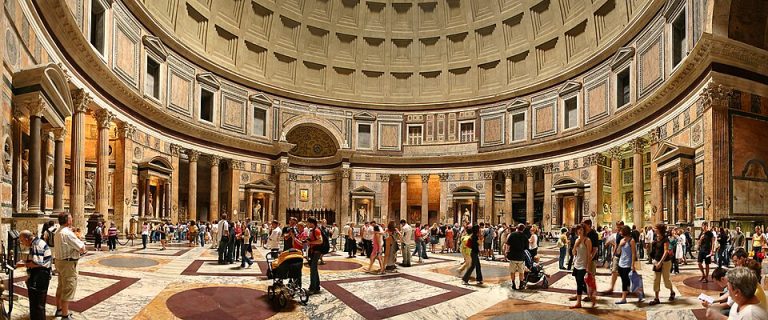
The building’s round structure and huge dome were not just for show. The open oculus at the dome’s top lets in sunlight, which moves around the building in a way that might have had symbolic meaning. Some experts think the changing light represented the movement of the heavens and the connection between the gods and humans. Standing in the center of the Pantheon, I felt the wow factor of this design, especially as rays of light moved across the floors and walls. The building’s round shape even creates an acoustical effect, making ceremonies and music sound extra special. The harmony of architecture, light, and sound creates a truly powerful experience.
Was the public welcome in the Pantheon?
Historical records suggest that certain public ceremonies were open to the people, especially on key religious days. However, the inner spaces where rituals took place were probably reserved for priests and officials. Today, everyone is welcome to visit, making it possible for people from all over the world to step inside one of ancient Rome’s greatest buildings and get inspired by its history and beauty.
Visiting Today
Can you visit the Pantheon now?
Yes, the Pantheon is open to visitors. You can head through the grand entrance, look up at the next-level cool dome, and even attend a church service if you visit at the right time. There are small signs pointing out important details, and you can also use audio guides to learn extra facts. When I visited, I found the experience amazing, because you get to see first-hand the same interior where ceremonies and rituals have happened for nearly 2,000 years. Don’t forget to check the opening hours, as they can change due to special events or church services. If you get a chance, go early in the day to beat the crowds and really take it all in.
More Questions About the Pantheon?
If you still want to know more about the Pantheon’s history, meaning, or how to visit, check out official tourism sites or museum sources. They offer great up-to-date information and eye-catching photos that show how the building has looked throughout different eras. The Pantheon stands as a lasting symbol of Rome’s creativity and skill, continuing to amaze everyone who sees it.