Stumbling Upon Why the Roman Pantheon Was Built
The Roman Pantheon stands as one of the most recognized ancient monuments in the world. Every time I’ve visited, I’ve been amazed by its massive dome and the unique light that filters through the oculus. Many people look at the Pantheon and wonder about its original purpose and why it was built in the first place. I’ll walk you through the main reasons behind its construction, its religious and political roles, and how its uses have switched up over the centuries.
The Origins of the Pantheon
Who Built the Pantheon and When?
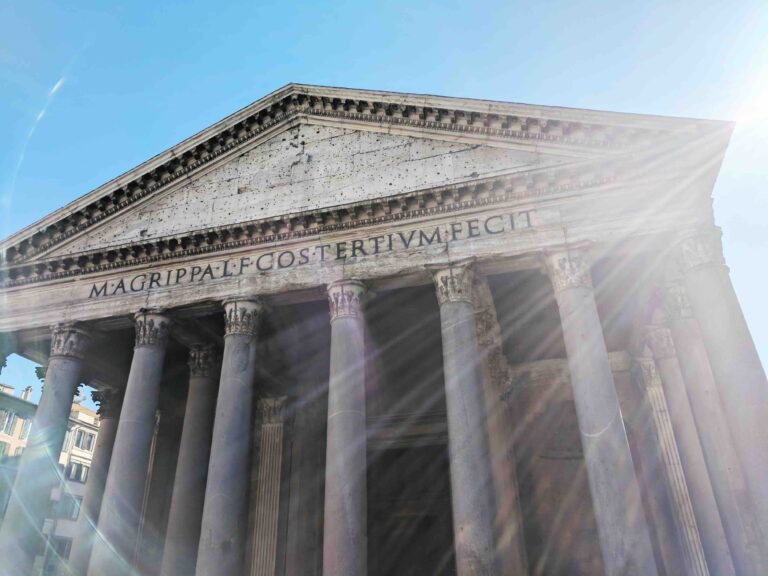
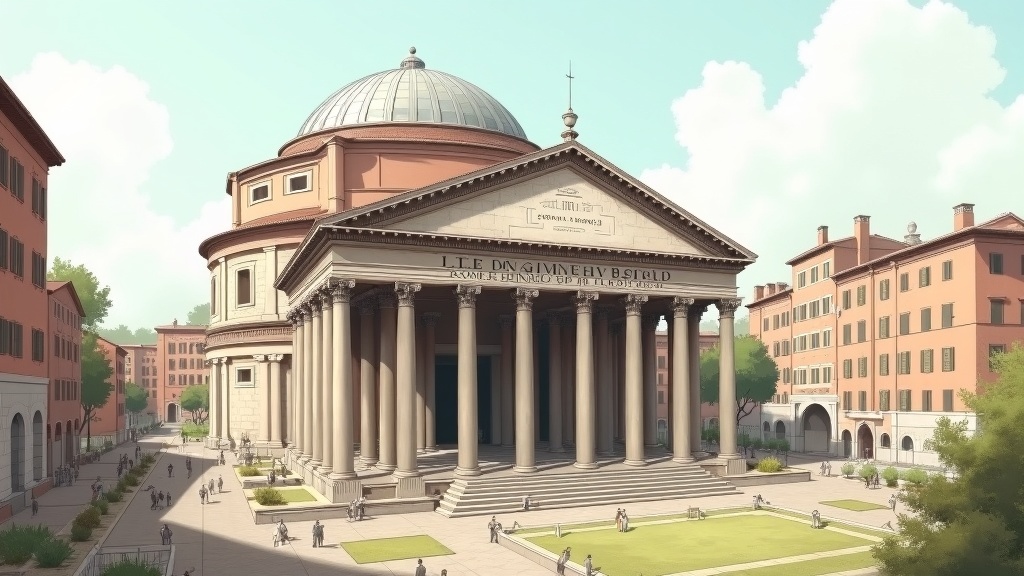
The Pantheon you see today in Rome was finished around 126 AD under the rule of Emperor Hadrian. However, there were actually two earlier versions commissioned by prior emperors. The very first Pantheon was built by Marcus Agrippa in 27–25 BC as a temple during the reign of Augustus, Rome’s first emperor. That structure was destroyed by fire, and a second version also didn’t survive. Hadrian then rebuilt the Pantheon completely, and his version is what still stands.
The Ancient Meaning of “Pantheon”
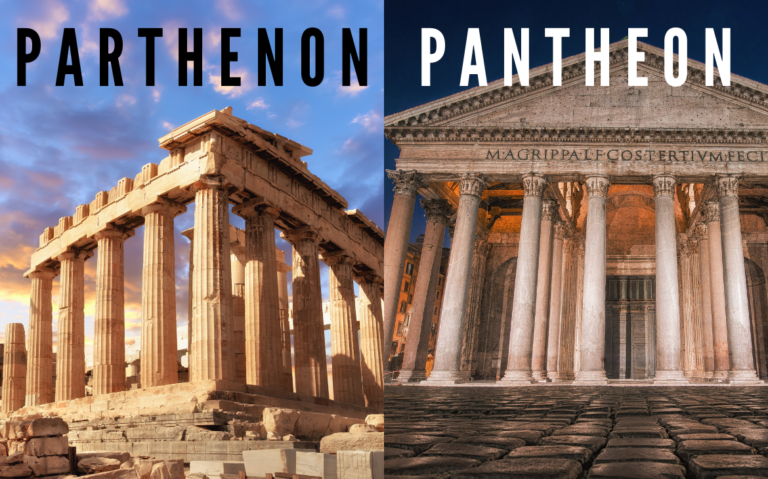
The word “Pantheon” comes from the Greek words meaning “all gods.” The Pantheon was created as a temple meant to honor every god in the Roman religion, not just a single deity or one small group. This idea of celebrating all Roman gods in one space was something new and eye-catching at the time. The concept signaled a move toward religious unity, allowing Romans to show respect to all favored deities under one roof, making the building an innovative space in religious architecture.
The Religious Purpose
Center for Roman Worship
The main reason the Pantheon was built was for religious worship. It worked as a central temple for the many gods worshiped in Rome. When I explore its halls, I picture the original visitors offering prayers, sacrifices, and gifts to a wide range of deities. This wasn’t only about personal faith; it was about showing respect and devotion to the rich traditions and religious diversity of ancient Rome. The Pantheon also hosted important festivals, giving the Roman people a physical focal point to gather for collective ceremonies.
A Symbol of Roman Inclusivity
The Pantheon’s design made it a unifying space. Instead of building dozens of separate temples for individual gods, Roman leaders put all their main gods under one dome. This made it a spot where people from different backgrounds could come together, which helped keep the vast and varied Roman Empire more connected. By offering a place of worship for everyone, it supported unity and mutual respect among Rome’s citizens and subjects.
The Political Role
Emperor Power and Image
The Pantheon was more than just a religious site. It also served as a showcase for the emperor’s power and vision. By dedicating such a grand structure “to all the gods,” emperors could double down on their own importance as leaders who were favored by the gods. Hadrian, in finishing this project, strengthened his legacy while reconnecting with Rome’s earliest imperial traditions set by Augustus and Agrippa. This helped tie his rule to Rome’s trusted and respected past.
Architecture as a Political Tool
Every time I stand inside the Pantheon, I see how the huge space and perfect symmetry make a statement. The design includes a massive dome, a striking oculus, and sturdy columns. All these features were meant to impress visitors from around the empire, proving Roman engineering skill and the unity of the empire under strong leadership. The Pantheon demonstrated the empire’s ability to fund, oversee, and finish a construction project that pushed the limits of the day’s technology.
How the Pantheon’s Purpose Changed
Transformation into a Christian Church
In the 7th century, the Pantheon was converted into a Christian church known as the Church of St. Mary and the Martyrs. This change is part of why the building survived when many ancient Roman temples were destroyed or fell apart over the centuries. The Pantheon’s switch from a pagan temple to a Christian church reflects the big religious changes in Rome’s history. The action also preserved its structure, art, and significance while most other temples didn’t stand the test of time.
A Tomb for Artists and Kings
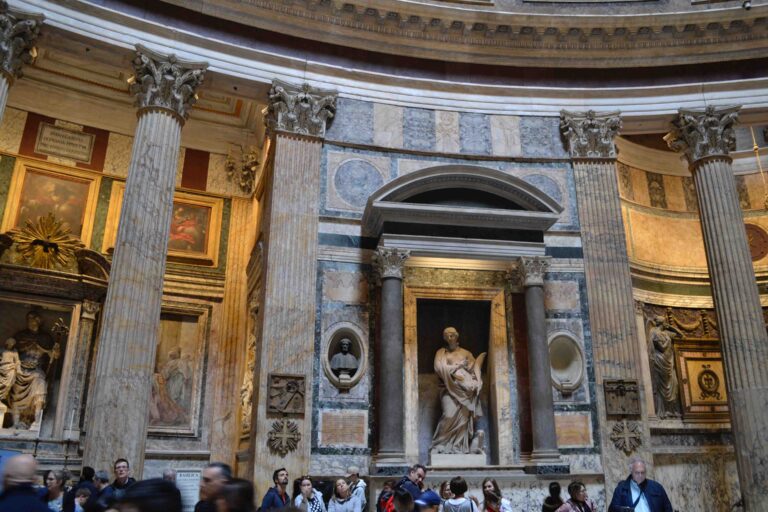
The Pantheon also became the burial place for several important figures, including Italian painter Raphael and two Italian kings. Every time I walk through the building, I’m reminded that this space is layered with meaning. It’s not only a place of worship; it’s now a resting place for some of Italy’s cultural icons. The Pantheon stands as a monument to both ancient and modern history, with new stories added to its foundation over the years.
The Pantheon’s Modern Legacy
A Lasting Example of Architecture
The Pantheon has inspired architects for hundreds of years. Its massive dome and open interior have been copied in countless buildings across Europe and beyond. From cathedrals to government buildings, many architects study the Pantheon’s design for ideas. Today, the Pantheon’s effect on Western architecture remains clear, and its engineering still raises eyebrows for both its simplicity and gigantic ambition. Step inside any major city hall or rotunda, and you’ll probably spot hints of the Pantheon’s influence.
An Enduring Symbol of Rome
To this day, the Pantheon represents the blend of religious, political, and cultural achievements of Roman society. When I see visitors from around the world standing beneath its dome, I see a reminder of how architecture can connect people to the past. It helps us imagine what life was like in ancient times and gives us a sense of Rome’s lasting influence. The Pantheon continues to draw millions of visitors every year, thanks to its unmatched blend of history, design, and sheer scale.
Curious to Learn More About Ancient Rome?
There’s always something new to track down about ancient monuments like the Pantheon. If you have more questions or want to dig deeper into Roman history, I recommend visiting trusted sources such as the Encyclopedia Britannica’s Pantheon page or checking out research from universities focused on Roman architecture. Many museums and official heritage sites in Rome also offer up-to-date information and visitor guides to help you plan your next trip. Don’t forget to look out for guided tours that shed light on hidden details and stories you might miss on your own.